
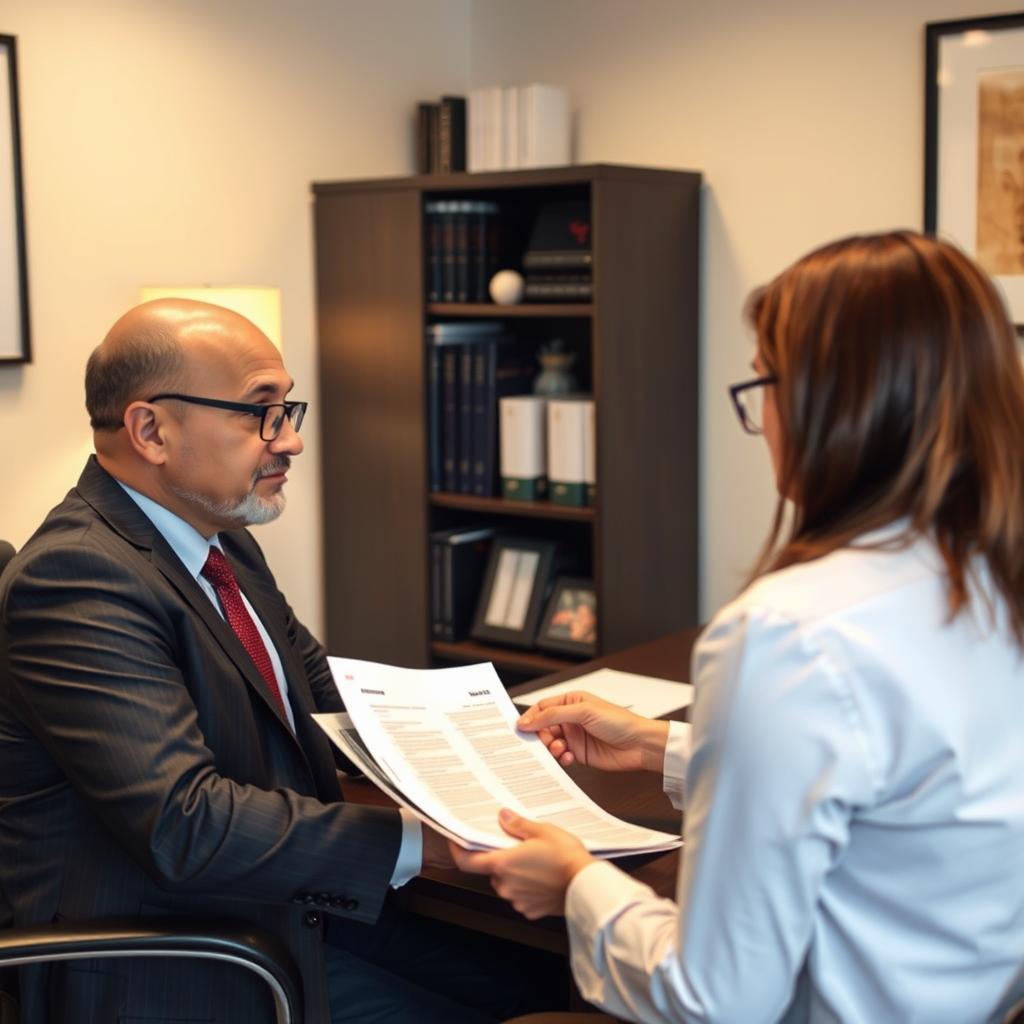
Shoplifting Lawyer U Street Corridor, DC
When you are accused of shoplifting in the vibrant U Street Corridor neighborhood of Washington, D.C., the experience can be disorienting. The matter touches your freedom, your record, and your reputation. A charge that begins at a store on 14th Street or near the African American Civil War Memorial can quickly escalate into a criminal case at D.C. Superior Court. At Law Offices Of SRIS, P.C., Mr. Sris and his Of Counsel understand how shoplifting allegations are investigated and prosecuted in the District. Mr. Sris, a former prosecutor, founded the firm in 1997, and he and his Of Counsel bring extensive combined legal experience to defending individuals facing theft‑related charges in the U Street Corridor and throughout Washington, D.C. To discuss your situation, reach Law Offices Of SRIS, P.C. at (888) 437-7747.
What Shoplifting Means in the U Street Corridor, DC
The U Street Corridor stretches through a dynamic part of Northwest Washington, D.C., from the historic Howard Theatre to the bustling intersection of 14th and U Streets. Its mix of national retailers, independent boutiques, restaurants, and entertainment venues means that shoplifting allegations can arise in a variety of settings — from a late‑night incident at a convenience store to a dispute over merchandise at a clothing store. Any such accusation is handled through the District’s unique criminal justice system. Because D.C. Is a federal territory, all local crimes, including shoplifting, are prosecuted by the United States Attorney’s Office for the District of Columbia — not by a district attorney or local prosecutor. Cases are heard at D.C. Superior Court, 500 Indiana Avenue NW, Washington, DC 20001, at the Judiciary Square Metro station.
Shoplifting in the District is governed by D.C. Code Title 22 and is charged as theft. The seriousness of the charge generally depends on the value of the goods. When the value is less than $1,000, the offense is treated as theft in the second degree, a misdemeanor that carries a maximum penalty of up to 180 days in jail and a fine. When the value exceeds $1,000, the charge can be elevated to theft in the first degree, a felony punishable by up to 10 years in prison. In practice, even a misdemeanor conviction can create a permanent criminal record that affects employment, housing, and professional licensing. The District does not use a traditional cash‑bail system; instead, the Pretrial Services Agency — a federal agency — conducts a risk assessment and recommends release conditions. Many defendants are released without posting money, but any conditions imposed by the court must be followed carefully. Our firm serves the entire U Street area, along with adjacent neighborhoods such as Logan Circle, Shaw, Adams Morgan, and Columbia Heights, from our Arlington location, located about 4.5 miles from the courthouse.
How Mr. Sris and His Of Counsel Handle Shoplifting Cases
Mr. Sris and his Of Counsel handle shoplifting matters with a thorough, detail‑oriented approach. Early intervention often makes a significant difference. When you contact the firm, Mr. Sris and his Of Counsel will review the facts of your case — where the alleged incident took place, what witnesses or surveillance footage may exist, and how law enforcement and loss‑prevention personnel handled the stop. Every shoplifting case in the U Street Corridor is unique, and the legal team works to identify procedural weaknesses, evidentiary gaps, and constitutional issues that may lead to a reduction or dismissal.
If the matter is already scheduled for an arraignment at D.C. Superior Court, Mr. Sris and his Of Counsel can enter an appearance, address release conditions, and begin negotiating with the Assistant United States Attorney assigned to the case. In many instances, diversion, deferred sentencing, or a favorable plea resolution may be available. When a trial is necessary, the team presents a well‑prepared defense, cross‑examining prosecution witnesses and challenging the reliability of the evidence. Throughout the process, Mr. Sris and his Of Counsel keep you informed of developments and advise on the potential long‑term consequences — including immigration implications, if applicable, and record‑sealing eligibility under D.C. Code § 16‑803.
About Mr. Sris and His Of Counsel Team
Mr. Sris is the Owner and Founder of Law Offices Of SRIS, P.C. A former prosecutor, he has practiced criminal defense in the District of Columbia and across the firm’s five‑jurisdiction footprint since 1997. He draws on his prosecutorial background to anticipate the government’s strategy and to construct a defense informed by firsthand knowledge of how charges are built. Mr. Sris testified before the Virginia House Courts of Justice Committee in support of 2019 HB 635 (chief patron Del. David Bulova), reflecting a deep engagement with the legislative process. He is admitted to practice in Virginia, Maryland, the District of Columbia, New Jersey, and New York.
Mr. Sris works alongside a dedicated group of Of Counsel attorneys engaged through Excella. These experienced professionals bring extensive collective legal experience to the firm’s criminal practice. Mr. Sris and his Of Counsel have documented case results across all practice areas since 1997. Results may vary. The team is supported by Spanish‑speaking professionals, ensuring that language barriers do not stand between you and a full defense.
Frequently Asked Questions
What should I do if I am stopped for shoplifting in the U Street Corridor, DC?
If you are stopped for shoplifting, remain calm, do not resist, and politely decline to answer questions until you have spoken with an attorney. You have the right to remain silent, and anything you say can be used against you. After a stop, law enforcement or store security may detain you before the Metropolitan Police Department arrives. Do not sign any documents or agree to pay civil restitution without legal guidance. Request a consultation with an experienced attorney as soon as possible. Early legal involvement can help protect your rights and shape the course of the case. For guidance on your specific situation, reach Law Offices Of SRIS, P.C. at (888) 437-7747.
Is shoplifting a misdemeanor or a felony in Washington, D.C.?
The classification depends on the value of the goods alleged to have been taken. Under D.C. Code Title 22, theft of property valued under $1,000 is generally charged as theft in the second degree, a misdemeanor. When the value exceeds $1,000, the offense can be charged as theft in the first degree, a felony. A felony conviction exposes you to a longer period of incarceration and more significant collateral consequences. Even a misdemeanor, however, results in a permanent criminal record if you are convicted. An attorney can evaluate the evidence and pursue options to reduce a felony to a misdemeanor or seek an alternative disposition.
Can a shoplifting charge be sealed from my record in DC?
Yes, in many circumstances, a shoplifting‑related record can be sealed under D.C. Code § 16‑803. Acquittals, dismissals, and outright nolle prosequi dispositions are generally eligible for sealing without a waiting period. For convictions, waiting periods apply, and eligibility depends on the specific offense and your criminal history. Marijuana offenses have expanded sealing eligibility, but for shoplifting, the process requires filing a motion with D.C. Superior Court. Mr. Sris and his Of Counsel can assess whether your case meets the statutory criteria and guide you through the petition process. To discuss the details of your matter, contact Law Offices Of SRIS, P.C. at (888) 437-7747.
Who prosecutes shoplifting cases in DC?
Shoplifting cases in Washington, D.C., are prosecuted by the United States Attorney’s Office for the District of Columbia (USAO‑DC), not by a local district attorney. The District’s status as a federal territory means that federal prosecutors handle local criminal offenses arising under the D.C. Code. An Assistant United States Attorney is assigned to each case, and the matter proceeds in D.C. Superior Court. This structure creates a distinct federal‑local hybrid that can affect plea negotiations, discovery, and trial strategy. Working with a defense lawyer who understands how the USAO‑DC operates is an important step in building an effective defense.
Does DC use cash bail for shoplifting charges?
No, the District of Columbia does not operate a traditional cash‑bail system for shoplifting or other offenses. Instead, the Pretrial Services Agency, a federal agency, interviews the defendant and prepares a risk‑assessment report for the court. Based on that report, the judge may release the individual on personal recognizance or impose non‑monetary conditions, such as supervised release, stay‑away orders, or drug testing. Most defendants charged with shoplifting are released without posting money. An attorney can present information to the court that supports the most favorable release conditions possible at the initial appearance.
How can a lawyer help with a shoplifting charge in the U Street Corridor?
A lawyer can investigate the evidence, identify procedural errors, negotiate with the prosecutor, and represent you at every stage of the case. From the moment you are accused, an attorney can advise you on what to say — and what not to say — to law enforcement. Mr. Sris and his Of Counsel review store surveillance footage, interview witnesses, and examine whether the stop and detention were lawful. They can also pursue diversion programs or deferred‑sentencing agreements that may result in a dismissal. For a consultation, reach Mr. Sris and his Of Counsel at (888) 437-7747.
Related pages:
Washington, D.C. Criminal Lawyer ·
Georgetown Criminal Lawyer ·
Logan Circle Criminal Lawyer ·
Adams Morgan Criminal Lawyer ·
Columbia Heights Criminal Lawyer
Primary sources:
DC Superior Court ·
D.C. Code Title 22 (Criminal Offenses)
Attorney advertising. Prior results do not guarantee a similar outcome. Results may vary.
Case results depend on a variety of factors unique to each case.