
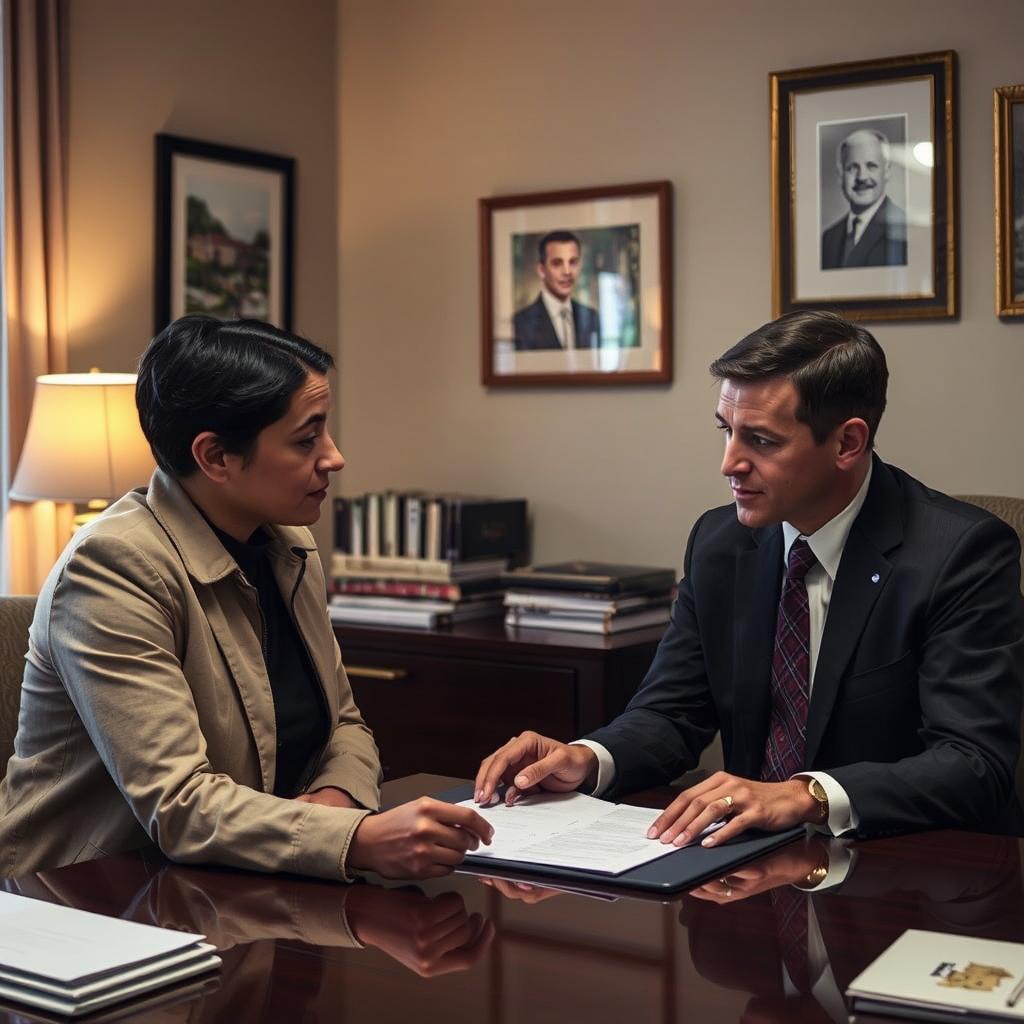
Resisting Arrest Lawyer Forest Hills, DC
Facing a resisting‑arrest charge in Forest Hills carries serious consequences—including jail time, a criminal record, and restrictions on future opportunities. The District of Columbia operates under a unique legal framework: local crimes are prosecuted by the United States Attorney’s Office for the District of Columbia, not a local district attorney. Cases are heard at DC Superior Court on Indiana Avenue NW, just across town from Forest Hills. If you or someone close to you has been charged, the defense team at Law Offices Of SRIS, P.C. can help. Mr. Sris and his Of Counsel understand how the U.S. Attorney’s Office builds these cases and appear regularly in DC Superior Court. To discuss your situation, reach the firm at (888) 437‑7747. Law Offices Of SRIS, P.C. – Advocacy Without Borders.
What Resisting Arrest Means in Forest Hills, DC
Resisting arrest in the District of Columbia is generally charged under D.C. Code provisions governing obstruction of a law‑enforcement officer or related offenses. Because DC is a federal enclave, all criminal prosecutions—even for what would be state‑level offenses elsewhere—are brought by the United States Attorney’s Office for DC. This hybrid character means that a resisting‑arrest case unfolds under local substantive law but within a federal‑structured prosecutorial system.
In Forest Hills, a quiet residential neighborhood in Northwest DC bordered by Van Ness and Chevy Chase, police encounters often arise from traffic stops or domestic disputes. A person may be accused of refusing to comply with a lawful order, physically pulling away, or otherwise hindering an officer during an arrest. Even a brief struggle or a verbal disagreement that escalates can result in a charge. Conviction can lead to jail time, fines, probation, and a permanent criminal record—all of which can affect employment, housing, and professional licensing. The firm’s Arlington location serves Forest Hills clients, and the legal team regularly appears at DC Superior Court, located at 500 Indiana Avenue NW, Washington, DC 20001.
One important feature of DC criminal procedure is the absence of cash bail. The Pretrial Services Agency, a federal agency, assesses risk and recommends release conditions instead. This means that a person charged with resisting arrest may be released on recognizance or under supervision while the case is pending, but if the matter proceeds to trial, an experienced defense is essential. The U.S. Attorney’s Office prosecutes these cases vigorously; having counsel who understands the nuances of DC‑specific practice can make a significant difference.
How Mr. Sris and His Of Counsel Handle Resisting Arrest Cases
When a potential client reaches Law Offices Of SRIS, P.C., the first step is a thorough review of the arrest circumstances. Was there probable cause for the underlying stop? Did the officer’s commands comply with legal requirements? Was the force used by the officer proportionate to the alleged resistance? Mr. Sris, drawing on his background as a former prosecutor, examines the government’s evidence with the same rigor that a prosecutor would apply before bringing charges. His Of Counsel, who have extensive experience in District of Columbia courts, review police reports, body‑worn camera footage, and witness statements to identify weaknesses in the prosecution’s case.
During pretrial proceedings, the defense team may challenge the legality of the stop or the arrest itself through motions to suppress evidence. If the evidence suggests that the officer used excessive force or violated clearly established procedural rules, the team may seek dismissal of the charge. In many cases, the goal is to negotiate a resolution that avoids a conviction—perhaps through a deferred disposition or an agreement to reduce the charge to a non‑criminal offense. If a trial becomes necessary, Mr. Sris and his Of Counsel prepare a defense tailored to the specific facts, focusing on inconsistencies in the officer’s account or witness credibility. Throughout the process, the team keeps the client informed and ensures that every deadline is met.
About Mr. Sris and His Of Counsel Team
Mr. Sris is the Owner and Founder of Law Offices Of SRIS, P.C. He founded the firm in 1997 after serving as a prosecutor—an experience that gives him a critical understanding of how the government builds cases against defendants. Mr. Sris testified before the Virginia House Courts of Justice Committee in support of 2019 HB 635 (chief patron Del. David Bulova). He is admitted to practice in Virginia, Maryland, the District of Columbia, New Jersey, and New York. With his Of Counsel, he brings extensive combined legal experience to resisting‑arrest matters throughout the DC metropolitan area. The team’s work in DC Superior Court is informed by years of familiarity with local judges, prosecutors, and court procedures. Results may vary.
The firm serves clients from its Arlington location, conveniently positioned just across the Potomac from Forest Hills. By appointment, the legal team meets with clients there to discuss defense strategies, review evidence, and prepare for each court appearance.
Frequently Asked Questions
Who prosecutes criminal cases in Washington, D.C.?
Criminal cases in DC are prosecuted by the United States Attorney’s Office for DC (USAO‑DC), not a local district attorney. DC is a federal territory where even local offenses under the D.C. Code are handled by federal prosecutors. All cases are heard at DC Superior Court, 500 Indiana Avenue NW, Washington, DC 20001. This unique setup means that a resisting‑arrest charge—though a local violation—is prosecuted by an office accustomed to handling federal‑level investigations.
Does DC have cash bail?
No, DC does not use a cash bail system. Instead, the Pretrial Services Agency, a federal agency, evaluates each defendant’s risk and recommends release conditions. Most individuals charged with resisting arrest are released on their own recognizance or under supervision while the case proceeds. This system eliminates the need to post money, but a conviction still carries serious consequences, so the need for a strong defense remains paramount.
How long does a criminal case take in D.C.?
The timeline for a resisting arrest case in DC varies based on the offense’s complexity, the court’s docket, and whether a trial is necessary. Misdemeanor cases often move faster than felonies. Routine matters may be resolved within a few months, while more contested cases can extend longer. The firm works to advance the case efficiently while building a thorough defense.
What should I do if I am charged with resisting arrest in Forest Hills?
If you have been charged, remain calm, do not discuss the incident with anyone other than your attorney, and contact counsel immediately. Avoid posting about the case on social media. Gather any documents or witness information you have. The defense team at Law Offices Of SRIS, P.C. can review the police report, evaluate potential defenses, and explain the next steps. To schedule a consultation, reach the firm at (888) 437‑7747.
Can a resisting arrest charge be dropped in DC?
Yes, a resisting arrest charge may be dropped if the evidence is insufficient, if the officer lacked probable cause, or if procedural violations occur. Motions to suppress improperly obtained evidence or to dismiss for lack of prosecution are part of the defense strategy. Even if dismissal is not immediate, negotiation with the U.S. Attorney’s Office can lead to a reduced charge or an alternative resolution that avoids a permanent criminal record.
Do I need a lawyer for a resisting arrest charge in DC?
While you have the right to represent yourself, having an attorney is critical when facing a criminal charge. Resisting arrest can carry jail time and a lasting record. A defense lawyer can challenge the legality of the arrest, negotiate with the prosecutor, and advocate for favorable outcomes. The team at Law Offices Of SRIS, P.C. has experience in DC Superior Court and can help protect your rights. For a consultation, reach the firm at (888) 437‑7747.
Related criminal defense pages: Washington, D.C. Criminal Defense | Georgetown Criminal Lawyer | Spring Valley Criminal Lawyer | Cleveland Park Criminal Lawyer | Chevy Chase Criminal Lawyer
Additional resources: D.C. Code Title 22 (Criminal Offenses and Penalties) | DC Superior Court | U.S. Attorney’s Office for the District of Columbia
Attorney advertising. Prior results do not guarantee a similar outcome. Results may vary.
Case results depend on a variety of factors unique to each case.