
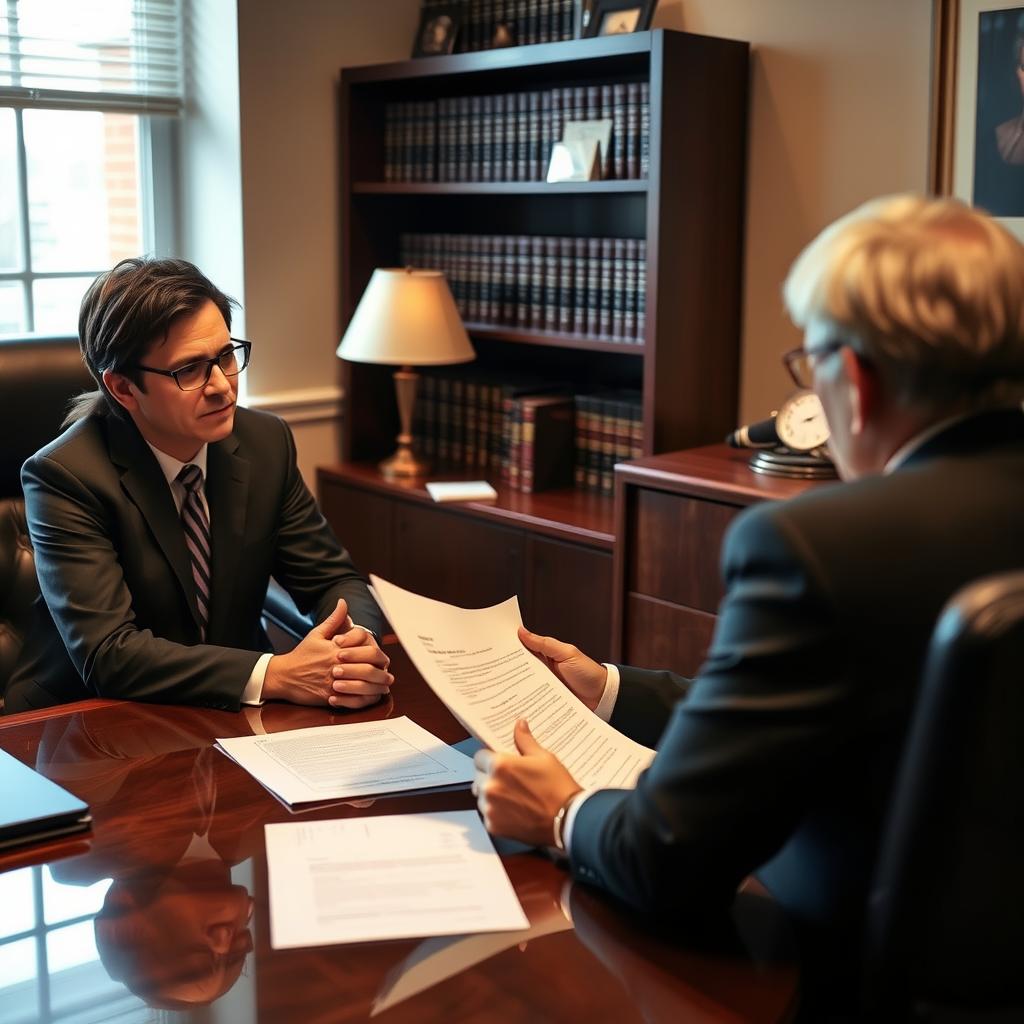
Drug Distribution Lawyer Foggy Bottom, DC
You were in Foggy Bottom—maybe near George Washington University or the State Department—when you were arrested on a drug distribution charge. Now you are facing a criminal case in D.C. Superior Court, where the United States Attorney’s Office for the District of Columbia handles the prosecution. Unlike most states, D.C. Does not have a local district attorney; federal prosecutors pursue charges under the D.C. Code. This unique federal‑local hybrid jurisdiction means the stakes are high and the procedures are distinct. An experienced defense team that understands how drug distribution cases are built, prosecuted, and defended in D.C. Can make a critical difference. Mr. Sris and his Of Counsel concentrate a portion of their practice on criminal defense in the District, including complex drug distribution matters arising from Foggy Bottom and surrounding neighborhoods. To discuss your situation, reach Law Offices Of SRIS, P.C. at (888) 437‑7747.
What Drug Distribution Means in Foggy Bottom
Foggy Bottom is a centrally located D.C. Neighborhood bounded roughly by the Potomac River, Washington Circle, and Pennsylvania Avenue. Home to George Washington University, the Watergate complex, and the Harry S Truman Building, it sees a mix of students, professionals, and government employees. When the Metropolitan Police Department makes an arrest for drug distribution in this area, the case is heard at the D.C. Superior Court, 500 Indiana Avenue NW, near Judiciary Square. Because D.C. Is a federal territory, criminal prosecutions—including drug distribution—are conducted by the U.S. Attorney’s Office for the District of Columbia, not by a local prosecutor’s office.
Drug distribution is treated as a serious felony under D.C. Law. The charge typically involves an allegation that the accused possessed a controlled substance with intent to distribute it, or actually transferred the substance to another person. The prosecution must prove knowing possession and the intent to distribute. Evidence in these cases often includes witness testimony, surveillance, controlled buys, and forensic analysis of seized substances. The unique jurisdictional structure means defendants appear before D.C. Superior Court judges under local procedural rules, but with a federal prosecutorial mindset. Our Arlington location serves clients from Foggy Bottom and all D.C. Neighborhoods, and we appear regularly in D.C. Superior Court Criminal Division.
How Mr. Sris and His Of Counsel Handle Drug Distribution Cases
Mr. Sris and his Of Counsel take a methodical approach to drug distribution defense. This begins with a thorough review of the arrest and investigation—scrutinizing the basis for any stop, search, or seizure, and examining whether law enforcement followed constitutional and procedural requirements. In D.C., the Pretrial Services Agency conducts a risk assessment for release rather than a cash-bail system, so early advocacy can affect release conditions even before the first court appearance. The defense team works to identify weaknesses in the government’s case, including chain-of-custody issues, the reliability of witness identifications, and challenges to the quantity or nature of the substance alleged.
Each case is different, and the strategy fits the facts. In some instances, negotiation with the Assistant U.S. Attorney may lead to a reduction of charges or a favorable plea. In others, the team prepares for trial, developing a narrative that challenges the prosecution’s version of events. Throughout the process, Mr. Sris and his Of Counsel focus on protecting the client’s rights and working toward the trusted achievable outcome under the particular circumstances.
About Mr. Sris and His Of Counsel Team
Mr. Sris is the Owner and Founder of Law Offices Of SRIS, P.C. A former prosecutor, he founded the firm in 1997 and has practiced in all five firm jurisdictions: Virginia, Maryland, the District of Columbia, New Jersey, and New York. Mr. Sris testified before the Virginia House Courts of Justice Committee in support of 2019 HB 635 (chief patron Del. David Bulova). His background gives him insight into how prosecutors build a case and where to look for its vulnerabilities.
The Of Counsel team includes attorneys who concentrate a portion of their practice on criminal defense in D.C. Superior Court. They are familiar with the local docket, the Pretrial Services Agency process, and the strategic decisions that can affect the course of a drug distribution charge. Mr. Sris and his Of Counsel bring extensive combined legal experience. Results may vary.
Frequently Asked Questions
Who prosecutes drug distribution cases in Washington, D.C.?
Drug distribution cases in Washington, D.C. Are prosecuted by the United States Attorney’s Office for the District of Columbia (USAO‑DC), not a local district attorney. D.C. Is a federal territory, so even violations of the D.C. Code are handled by federal prosecutors. All local criminal cases, including drug distribution, are heard at the D.C. Superior Court at 500 Indiana Avenue NW. The USAO‑DC brings charges and presents cases in court, while the Metropolitan Police Department conducts arrests and investigations. The Public Defender Service for D.C. Provides representation for those who cannot afford a private attorney.
Does D.C. Use cash bail for a drug distribution charge?
No, D.C. Does not use a traditional cash‑bail system. Instead, the Pretrial Services Agency (a federal agency) conducts a risk assessment and recommends release conditions to the court. Most defendants are released without posting money, though the court may impose conditions such as supervision, drug testing, or stay‑away orders. An attorney can present mitigating information early in the process to support favorable release terms.
What are the potential consequences of a drug distribution conviction in D.C.?
A conviction for drug distribution in the District of Columbia is a felony and can result in incarceration, fines, and a permanent criminal record. The specific sentence depends on the quantity and type of controlled substance, the defendant’s prior record, and any aggravating factors. Because the U.S. Attorney’s Office prosecutes these cases with a federal‑style approach, the consequences can be significant. Collateral consequences may include difficulty obtaining employment, housing, or professional licenses.
Can a lawyer help get a drug distribution charge reduced or dismissed?
Yes, an experienced defense attorney can challenge the prosecution’s evidence and pursue strategies that may lead to a reduction or dismissal of the charge. This can include motions to suppress evidence obtained through an unlawful search, challenges to the chain of custody of alleged drugs, or weaknesses in the government’s proof of intent to distribute. In some cases, negotiation with the prosecutor may result in a plea to a lesser offense. Every case is unique, and past results do not guarantee a similar outcome.
How does a drug distribution case move through D.C. Superior Court?
A drug distribution case typically begins with an arrest and presentment, after which the defendant is advised of the charges and release conditions are set. For felony charges, the U.S. Attorney’s Office may present the case to a grand jury for indictment. The case then proceeds through pretrial conferences, discovery, and motion hearings. If no resolution is reached, the matter goes to trial. The timeline varies depending on the complexity of the case and the court’s calendar.
Do I need a lawyer if I am under investigation for drug distribution in Foggy Bottom?
Yes, you should contact a criminal defense attorney as soon as you are aware of an investigation. Even before formal charges are filed, what you say to law enforcement can be used against you. An attorney can advise you of your rights, communicate with investigators on your behalf, and begin building a defense strategy from the earliest stage. Early involvement often preserves options that may be harder to pursue later.
For guidance on your specific situation, reach Law Offices Of SRIS, P.C. at (888) 437‑7747.
Related Practice Areas and Locations
D.C. Criminal Defense Lawyer —
Georgetown Criminal Defense —
Cleveland Park Criminal Defense
Official D.C. Resources
D.C. Superior Court —
D.C. Code § 48‑904.01 —
U.S. Attorney’s Office for the District of Columbia
Attorney advertising. Prior results do not guarantee a similar outcome. Results may vary.
Case results depend on a variety of factors unique to each case.