
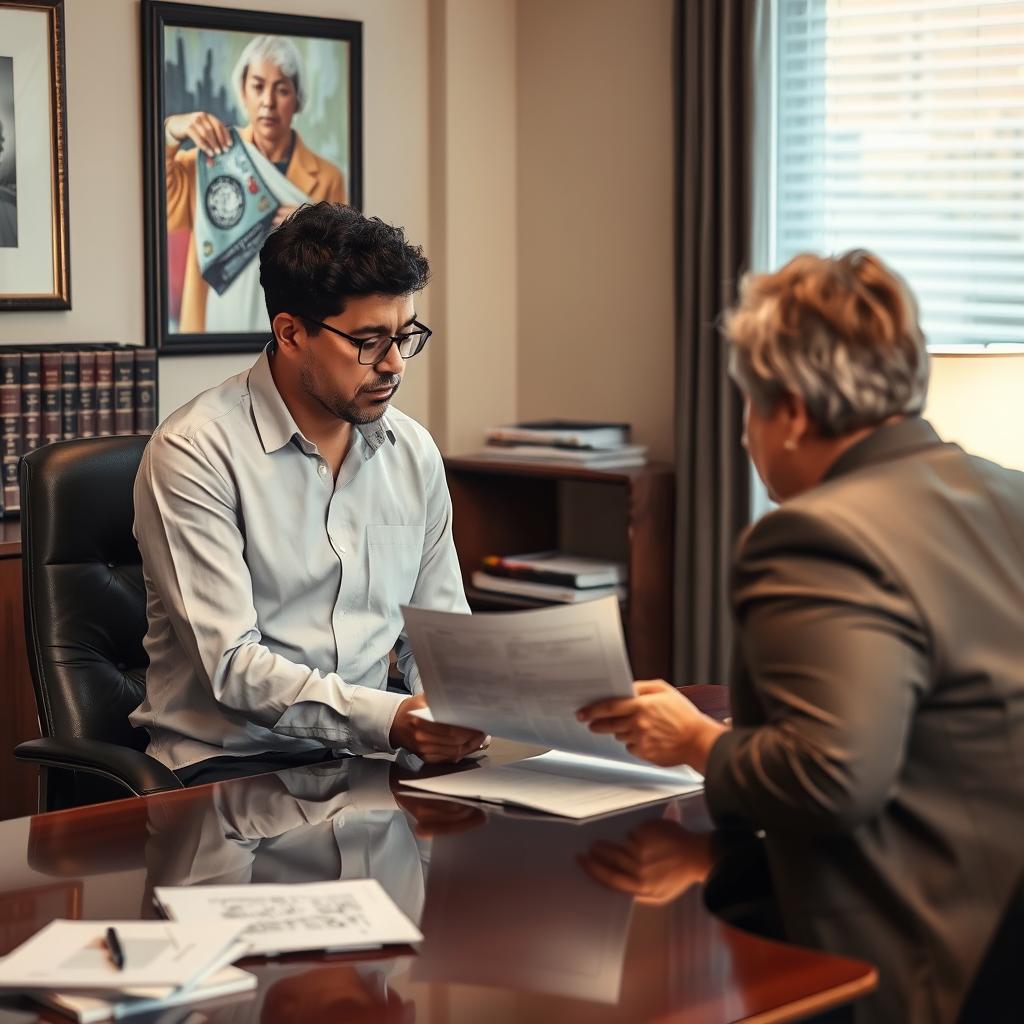
Graffiti Defense Lawyer Georgetown, DC
Facing a graffiti-related charge in Georgetown can feel disorienting, especially given the unique structure of the District of Columbia’s criminal justice system. In Georgetown, graffiti offenses are prosecuted by the United States Attorney’s Office for the District of Columbia—not a local district attorney—and are heard in the Criminal Division of D.C. Superior Court at 500 Indiana Avenue NW. Whether the allegation involves spray-painting public property, tagging a historic building, or damaging a private residence along M Street or Wisconsin Avenue, the consequences of a conviction can extend well beyond the immediate penalty. A criminal record for property damage may affect employment, educational opportunities, and professional licensing. Mr. Sris and his Of Counsel team at Law Offices Of SRIS, P.C. Concentrate a substantial portion of their criminal defense practice on representing individuals accused of graffiti and related property offenses in Georgetown and throughout the District of Columbia. To discuss your situation, reach Law Offices Of SRIS, P.C. at (888) 437-7747. Law Offices Of SRIS, P.C. – Advocacy Without Borders.
What Graffiti Defense Means in Georgetown
Georgetown’s mix of federal landmarks, historic row houses, and a vibrant commercial corridor means that graffiti charges here often carry added sensitivity. The Metropolitan Police Department actively patrols the area, and cases are filed at D.C. Superior Court, located near Judiciary Square. The firm’s Arlington location—approximately 4.5 miles from the courthouse—serves clients throughout Georgetown, including East Georgetown, West Georgetown, the Waterfront, and the Burleith border. Because D.C. Prosecutes local offenses under the D.C. Code through federal prosecutors, the procedural posture of a Georgetown graffiti case is different from that of a typical state-level prosecution.
Under D.C. Code Title 22, graffiti is generally charged as destruction of property or malicious destruction of property. The degree of the charge—and the potential severity of the sentence—turns on the value of the damage alleged. Cases where the damage falls below a statutory threshold are typically handled as misdemeanors, while more extensive damage can be charged as a felony. The District does not use a cash bail system; instead, the Pretrial Services Agency assesses each defendant and recommends release conditions. This structure means that even a first-time graffiti arrest can lead to a swift initial appearance, where having experienced counsel matters immediately. Mr. Sris and his Of Counsel appear regularly in D.C. Superior Court and understand how the local calendar, the assigned prosecutor, and the neighborhood context can shape the direction of a case.
How Mr. Sris and His Of Counsel Handle Graffiti Defense Cases
When you engage Mr. Sris and his Of Counsel for a graffiti defense matter in Georgetown, the process begins with a thorough review of the charging documents, the police report, and any photographic or video evidence the government intends to rely upon. Graffiti cases frequently hinge on identification, the extent of the damage, and whether the accused had permission or lawful authority to be on the property. The team examines every angle—from whether the police had probable cause to investigate, to whether the property owner’s damage estimate is accurate. Because D.C. Courts permit pretrial motions and discovery practice under the local rules of criminal procedure, counsel can challenge weak evidence before trial.
After building a complete picture of the case, Mr. Sris and his Of Counsel engage with the Assistant United States Attorney assigned to the matter. Many graffiti charges in Georgetown are resolved through a negotiated outcome—such as a deferred prosecution agreement, community service, or a plea to a reduced charge—when the facts and the client’s circumstances support it. If a trial is in the client’s interest, the team is prepared to try the case in D.C. Superior Court, cross-examining witnesses and presenting counter-evidence. Throughout the representation, the focus remains on protecting the client’s record and future. Mr. Sris and his Of Counsel bring extensive combined legal experience to graffiti defense; Results may vary. and prior outcomes do not guarantee a similar result.
About Mr. Sris and His Of Counsel Team
Mr. Sris, Owner and Founder of Law Offices Of SRIS, P.C., founded the firm in 1997 and is a former prosecutor. That prosecutorial background gives him a practical understanding of how the government builds a graffiti case—and where it is most vulnerable. He is admitted to practice in the District of Columbia as well as in Virginia, Maryland, New Jersey, and New York. Mr. Sris testified before the Virginia House Courts of Justice Committee in support of 2019 HB 635 (chief patron Del. David Bulova). He works alongside a team of seasoned Of Counsel attorneys who are equally dedicated to criminal defense in the District. Together, they serve Georgetown residents facing charges ranging from minor property offenses to serious felonies. For a consultation, reach Mr. Sris and his Of Counsel at (888) 437-7747.
Frequently Asked Questions
What is the legal definition of graffiti under D.C. Law?
In the District of Columbia, graffiti is treated as a form of destruction of property or malicious destruction of property under D.C. Code Title 22. The specific charge depends on the nature of the marking and the value of the damage. Graffiti includes painting, drawing, or etching on another person’s property without permission. Whether the offense is charged as a misdemeanor or a felony depends on the dollar amount of the damage. Because the U.S. Attorney’s Office prosecutes local offenses, a Georgetown graffiti case may be handled with the same rigor as a federal matter. It is important to review the charging document carefully to understand the scope of the allegations and the applicable penalty provisions.
How are graffiti cases prosecuted in D.C. Superior Court?
Graffiti cases in Georgetown are prosecuted in D.C. Superior Court’s Criminal Division by an Assistant United States Attorney. After an arrest, the defendant typically appears before a judge within 24 hours for a presentment. The court then sets release conditions based on a recommendation from the Pretrial Services Agency—not cash bail. Hearings follow a local criminal procedure track that includes status conferences, motions, and, if necessary, a trial before either a judge or a jury. Because D.C. Is a federal enclave, certain procedural safeguards from the federal system may apply in addition to local court rules, making experienced local counsel particularly valuable from the earliest stage.
Do I need a lawyer for a graffiti charge in Georgetown?
While you are not legally required to have a lawyer, representing yourself against a graffiti charge in D.C. Superior Court is risky. Even a misdemeanor conviction for graffiti can result in a permanent criminal record, fines, community service, and potential collateral consequences such as difficulty securing employment or housing. An experienced defense lawyer can evaluate the strength of the government’s evidence, identify constitutional or procedural violations, and negotiate with the prosecutor for a reduction or dismissal. The stakes are higher when the charge is a felony. For guidance on your specific situation, reach Law Offices Of SRIS, P.C. at (888) 437-7747.
What are the possible defenses to a graffiti charge?
Several defenses may apply in a Georgetown graffiti case, including lack of identification, lawful authority, or insufficient proof of damage value. Often the prosecution relies on witness testimony or surveillance footage that may be unclear. If the police lacked reasonable suspicion or probable cause to detain or search, evidence may be excluded. A defendant may also argue that the property owner consented to the artwork, or that the markings do not meet the statutory definition of destruction of property. Challenging the valuation of the alleged damage can reduce a felony to a misdemeanor or result in a dismissal. Every defense is fact-specific and should be raised as early as possible.
Can a graffiti charge be expunged in DC?
Yes, the District of Columbia allows for the sealing or expungement of certain criminal records, including some graffiti-related charges, under D.C. Code § 16-803. Eligibility depends on the outcome of the case. Offenses that resulted in a dismissal, an acquittal, or a successful completion of a deferred sentencing agreement may be eligible for sealing after a waiting period. Some conviction records can also be sealed after a longer period. The process involves filing a motion in D.C. Superior Court and demonstrating that sealing the record serves the interests of justice. An attorney can help determine if your graffiti charge qualifies and handle the procedural requirements.
Also serving: Washington, D.C. Criminal Lawyer · Spring Valley Criminal Lawyer · Cleveland Park Criminal Lawyer · Chevy Chase DC Criminal Lawyer · American University Park Criminal Lawyer
Official sources: D.C. Code (official) · DC Superior Court
Attorney advertising. Prior results do not guarantee a similar outcome. Results may vary.
Case results depend on a variety of factors unique to each case.