
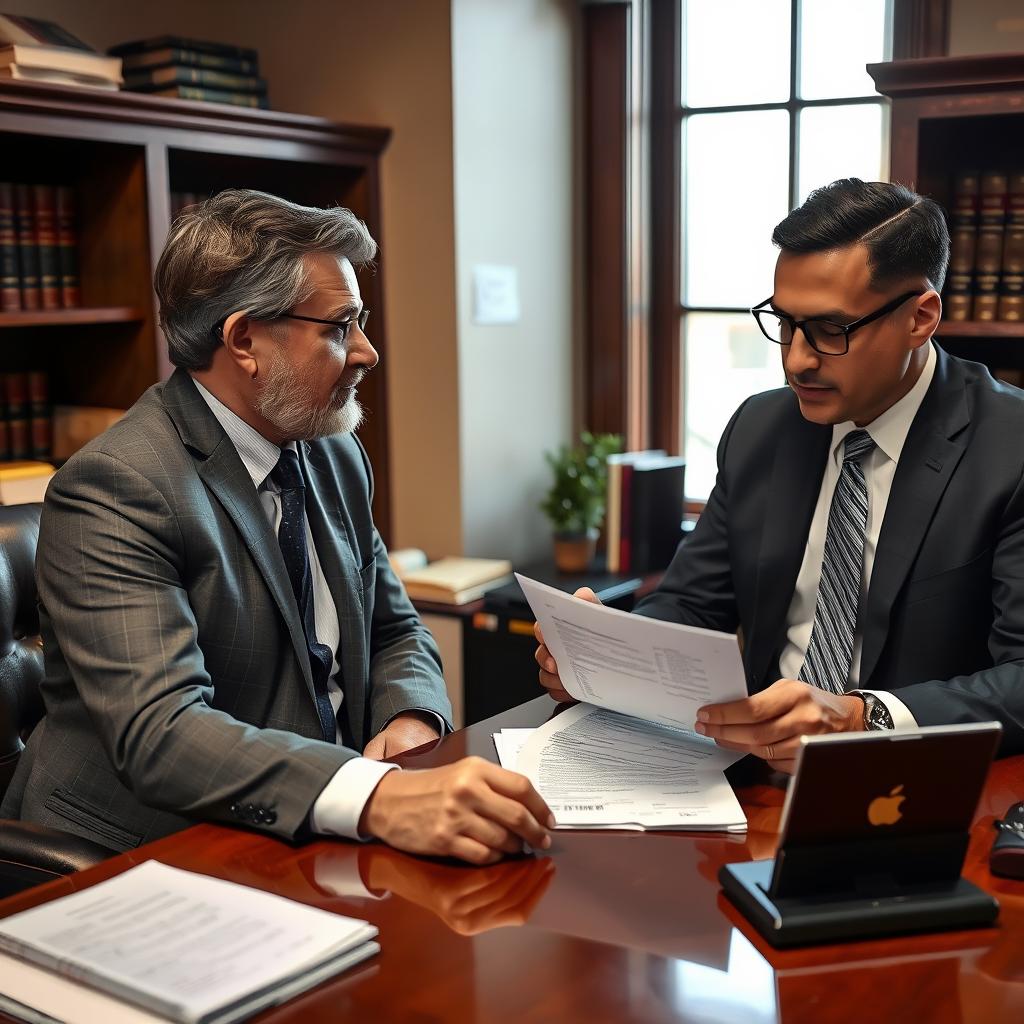
Graffiti Defense Lawyer Woodley Park, DC
If you are facing a graffiti charge in the Woodley Park neighborhood of Washington, D.C., the case will be prosecuted by the United States Attorney’s Office for the District of Columbia at the DC Superior Court, 500 Indiana Avenue NW. Graffiti offenses are treated as property damage crimes, and the government must prove that you intentionally defaced property without permission. A conviction can lead to fines, a permanent criminal record, and other lasting consequences. Law Offices Of SRIS, P.C. Concentrates its practice on defending individuals against property damage allegations, including graffiti, in DC courts. From our Arlington location, Mr. Sris and his Of Counsel team represent clients throughout the District, including Woodley Park, Cleveland Park, and the surrounding neighborhoods. Reach our location at (888) 437-7747 to request a consultation. Law Offices Of SRIS, P.C. – Advocacy Without Borders.
What a Graffiti Charge Means in Woodley Park, DC
Woodley Park, home to the National Zoo and Rock Creek Park, falls within the jurisdiction of the DC Superior Court — Criminal Division. Unlike most American cities, Washington, D.C., is a federal district, and local criminal offenses are prosecuted by the federal United States Attorney’s Office, not a district attorney. Graffiti is typically charged under D.C. Code Title 22 as destruction of property or a related vandalism offense. The prosecution must establish that the accused person knowingly damaged another’s property without authorization, and that the markings were not accidental or done with consent.
DC also has a unique pretrial system. The Pretrial Services Agency, a federal agency, assesses each defendant and makes a release recommendation to the court. Cash bail is not used in most DC criminal cases; instead, the court may impose conditions such as stay-away orders or regular check-ins. This means that even a graffiti charge can result in pretrial supervision while the case is pending. The consequences of a conviction go beyond the courtroom — a criminal record for property damage can affect employment, security clearances, and housing. Having an attorney who understands DC Superior Court procedures and the USAO-DC prosecution approach helps protect your rights from the moment of arrest through resolution.
How Mr. Sris and His Of Counsel Handle Graffiti Defense Cases
When Law Offices Of SRIS, P.C. takes on a graffiti defense matter in Washington, D.C., the legal team begins by examining the evidence the government intends to use. This includes photographs, witness statements, surveillance footage, and any alleged admissions. The attorneys look for weaknesses, such as unreliable identification, lack of intent, or constitutional violations during the investigation. Because DC does not have a cash bail system, the team works with Pretrial Services Agency recommendations to advocate for the least restrictive release conditions possible.
Many graffiti cases can be resolved before trial. The attorneys may negotiate with the prosecutor to have the charge dismissed or reduced, or they may pursue alternative dispositions such as community service or diversion programs. If the case goes to trial, Mr. Sris and his Of Counsel bring extensive combined legal experience to challenge the government’s proof at the DC Superior Court. Throughout the process, the firm keeps clients informed of each development and advises on the long-term implications of any plea or conviction. Every case is approached with the goal of minimizing the impact on the client’s record and future.
About Mr. Sris and His Of Counsel Team
Mr. Sris, Owner and Founder of Law Offices Of SRIS, P.C., is a former prosecutor admitted in Virginia, Maryland, the District of Columbia, New Jersey, and New York. He has practiced since 1997 and has testified before the Virginia House Courts of Justice Committee in support of 2019 HB 635 (chief patron Del. David Bulova). His background gives him insight into how prosecutors build cases, which informs the defense strategy for every client. Mr. Sris and his Of Counsel bring extensive combined legal experience to criminal defense matters, including property crime allegations. Results may vary.
The Of Counsel team includes attorneys with deep criminal trial experience, including former death penalty certification. Collectively, the firm has handled matters across multiple practice areas, with documented case results since 1997. From the Arlington location, the team serves clients in Woodley Park and throughout the District, appearing regularly at DC Superior Court.
Frequently Asked Questions
Who prosecutes graffiti cases in Washington, D.C.?
Criminal cases in DC, including graffiti charges, are prosecuted by the United States Attorney’s Office for the District of Columbia, not a local district attorney. DC is a federal territory, and both local and federal crimes are handled by federal prosecutors. Cases are heard at the DC Superior Court, 500 Indiana Avenue NW. Because of this unique structure, having an attorney who understands the USAO-DC prosecution approach is important.
Does DC use cash bail for graffiti charges?
No, the District of Columbia does not use a traditional cash bail system. The Pretrial Services Agency, a federal agency, conducts a risk assessment after arrest and recommends release conditions to the court. Most defendants are released without posting money, though the court may impose supervision requirements or a stay-away order. This means your pretrial liberty depends on the PSA recommendation and your attorney’s ability to present a strong case for release.
Can a graffiti charge be sealed from my DC criminal record?
Yes, under D.C. Code § 16-803, certain graffiti charges that result in dismissal, acquittal, or after a waiting period for qualifying convictions may be sealed. The petition is filed with the DC Superior Court. Eligibility depends on the final disposition and the person’s criminal history. Sealing removes the record from public view, which can be critical for employment and housing. An attorney can evaluate whether your graffiti case qualifies for record sealing.
What are potential consequences of a graffiti conviction in DC?
A graffiti conviction in Washington, D.C., can result in a fine, restitution to the property owner, community service, and a permanent criminal record. The exact penalty depends on the value of the damage and the circumstances. Even a misdemeanor property damage conviction can affect future opportunities. The court may also require completion of a diversion program or participation in neighborhood cleanup.
What defenses can be raised against a graffiti allegation?
Common defenses to a graffiti charge include lack of intent, mistaken identity, insufficient evidence, or a violation of constitutional rights during the investigation. The government must prove beyond a reasonable doubt that you knowingly marked property without authorization. If the evidence is weak — for example, grainy surveillance video or an unreliable witness identification — your attorney can challenge it. Consent from the property owner is also a defense.
Do I need a lawyer for a graffiti charge in DC?
You are not legally required to have a lawyer for a graffiti charge in DC, but representation helps protect your rights, negotiate alternatives, and work toward favorable outcomes. A criminal record for property damage can affect your job, security clearance, and housing. An attorney can identify evidentiary issues, seek dismissal, or advocate for a diversion program that avoids a conviction. For guidance on your specific situation, reach Law Offices Of SRIS, P.C. at (888) 437-7747.
Related criminal defense pages: Washington, D.C. Criminal defense lawyer • Georgetown criminal lawyer • Spring Valley criminal lawyer • Cleveland Park criminal lawyer
Attorney advertising. Prior results do not guarantee a similar outcome. Results may vary. Law Offices Of SRIS, P.C. serves clients from its Arlington, Virginia location by appointment. Call (888) 437-7747 to request a consultation.
Case results depend on a variety of factors unique to each case.