
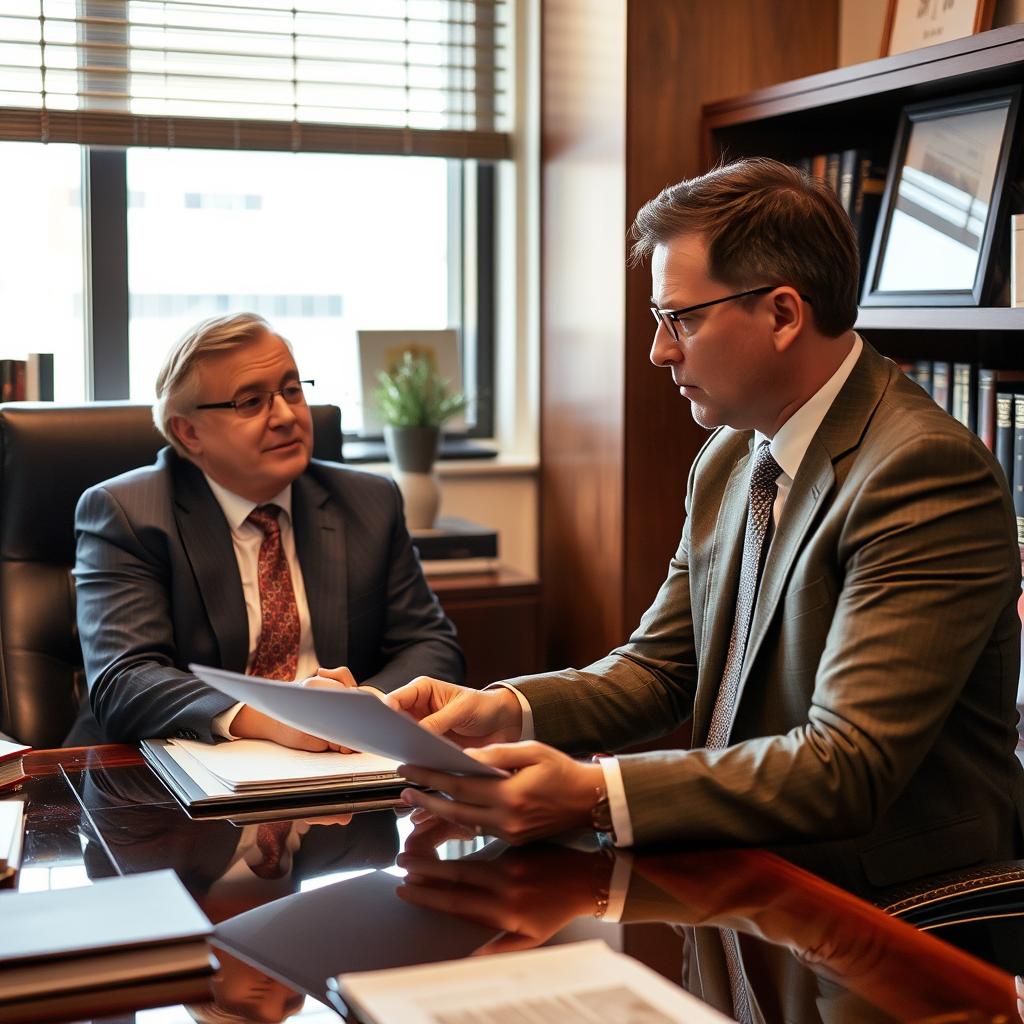
Public Lewdness Lawyer U Street Corridor, DC
You were at a crowded venue along the U Street Corridor—one of DC’s busiest nightlife stretches—when a momentary lapse, a misunderstood situation, or an accusation by a stranger led to a public lewdness charge. Now you are facing a criminal case in D.C. Superior Court, where the United States Attorney’s Office prosecutes these matters. A conviction can mean jail time, fines, and a ripple effect across your personal and professional life. At Law Offices Of SRIS, P.C., Mr. Sris and his Of Counsel team concentrate in criminal defense and have appeared in D.C. Courts on behalf of individuals charged with public lewdness and other sex-related offenses. If you need a public lewdness lawyer serving the U Street Corridor area, call (888) 437-7747 to request a consultation. Law Offices Of SRIS, P.C. – Advocacy Without Borders.
What Public Lewdness Charges Mean in the U Street Corridor
The U Street Corridor, from the historic Howard Theatre to the lively bars and music venues around 14th and U, draws thousands of residents and visitors each weekend. D.C.’s nightlife environment means that what begins as a spontaneous act or an ambiguous gesture can escalate into a criminal complaint. Public lewdness offenses in Washington, D.C., are prosecuted under Title 22 of the D.C. Code, and law enforcement responds to such allegations with zero tolerance—particularly in high-density entertainment districts where MPD officers are present and on alert.
In this neighborhood, an arrest for public lewdness may follow from a perceived act inside a club, on a sidewalk, or even in a vehicle. The charge does not require physical contact in every instance; sometimes an allegation of indecent exposure or lascivious conduct is sufficient to trigger a criminal case. The case then moves to D.C. Superior Court, located at 500 Indiana Avenue NW, where the U.S. Attorney’s Office for the District of Columbia handles prosecution. Mr. Sris and his Of Counsel are familiar with the local procedures at that courthouse and the specific dynamics of cases that arise from the U Street Corridor’s social scene.
How Mr. Sris and His Of Counsel Handle Public Lewdness Cases
When someone calls us after being arrested in the U Street area, we begin by examining every detail: the circumstances experienced to the encounter, the statements made to police, and the evidence the government may rely on. A thorough defense often involves scrutinizing the MPD investigation—reviewing whether the officer observed the alleged conduct directly, whether any witnesses were interviewed, and whether video footage from nearby businesses or city cameras exists.
Mr. Sris and his Of Counsel evaluate the strength of the prosecution’s case and explore legal defenses, which may include demonstrating that the alleged act did not meet the statutory definition of public lewdness, that the location was not a public place as defined by D.C. Law, or that the accusation stemmed from a misunderstanding or false report. In some instances, we negotiate with the prosecutor to seek a reduction or diversion when the evidence supports it. Throughout, we focus on protecting the client’s record and mitigating collateral consequences, such as sex offender registration considerations, which can arise even from a first offense.
Penalty Overview for Public Lewdness in Washington, D.C.
A public lewdness conviction in D.C. Courts carries significant criminal penalties. Depending on the specific charge—indecent exposure, lewd, indecent, or obscene acts, or disorderly conduct rooted in sexual misconduct—the court may impose incarceration, probation, fines, and mandatory treatment or counseling conditions. The exact sentencing range varies based on the facts, the defendant’s prior record, and any aggravating factors the judge finds.
Beyond the immediate court sentence, a conviction can trigger registration requirements under the District of Columbia’s sex offender registry. While not every public lewdness offense results in mandatory registration, the court has authority to impose registration in qualifying cases. Being listed on the public registry can affect employment, housing, and community standing for years. Because of these stakes, it is critical to work with experienced counsel who can frame the defense to reduce or eliminate the registration requirement where the law allows.
About Mr. Sris and His Of Counsel Team
Mr. Sris, Owner and Founder of Law Offices Of SRIS, P.C., founded the firm in 1997 and is admitted in Virginia, Maryland, the District of Columbia, New Jersey, and New York. A former prosecutor, Mr. Sris understands how the government builds its case and how to identify weaknesses in the state’s evidence. He testified before the Virginia House Courts of Justice Committee in support of 2019 HB 635 (chief patron Del. David Bulova).
Mr. Sris and his Of Counsel bring extensive combined legal experience to criminal defense matters. Results may vary. The firm’s approach is collaborative, drawing on the insights of attorneys who have handled a wide range of criminal cases, including sex offenses, felonies, and misdemeanors in D.C. Courts. We serve clients across the U Street Corridor, Georgetown, Adams Morgan, Columbia Heights, and throughout Washington, D.C., from our Arlington location at 1655 Fort Myer Dr, Suite 700, Room 719, Arlington, VA 22209. Call (888) 437-7747 to request a consultation.
Frequently Asked Questions
What constitutes public lewdness under D.C. Law?
Public lewdness generally refers to indecent exposure or obscene conduct that takes place in a public setting where others may be present, or in a place visible from a public area. Under D.C. Code Title 22, the offense may be charged as indecent exposure, disorderly conduct, or lewd, indecent, or obscene acts. The specific charge depends on the nature of the conduct, the location, and whether any physical contact or intent to arouse or offend was alleged. Because definitions are fact‑specific, an attorney can evaluate whether the government’s claim meets all statutory elements.
Who prosecutes public lewdness charges in Washington, D.C.?
Criminal cases in D.C., including public lewdness, are prosecuted by the United States Attorney’s Office for the District of Columbia, not a local district attorney. D.C. Is a federal territory where local crimes are prosecuted by federal prosecutors under the D.C. Code. Cases are heard in D.C. Superior Court at 500 Indiana Avenue NW. The prosecution is handled on a daily basis by experienced trial attorneys, and the case may involve pretrial motions, plea negotiations, or trial before a judge or jury.
Can a public lewdness charge in DC be dismissed or reduced?
Yes, depending on the evidence and legal arguments, a public lewdness charge may be dismissed, reduced, or resolved through a diversion program. A strong defense may involve challenging witness credibility, establishing that the alleged act did not meet the statutory definition, or demonstrating procedural errors by law enforcement. In some instances, the prosecutor may agree to amend the charge to a non‑registerable offense. An experienced attorney can evaluate the case and advocate for the most favorable resolution.
What are the possible penalties for a public lewdness conviction in D.C.?
A conviction can lead to jail time, probation, fines, and in some cases sex offender registration. The specific sentence depends on the exact charge, the defendant’s prior record, and any aggravating factors. Even a misdemeanor conviction can have long‑term consequences, including a criminal record that appears on background checks. The court may also order counseling or community service. Because penalties vary widely, it is important to discuss the specifics of your case with a lawyer.
Do I need a lawyer for a public lewdness charge in the U Street Corridor area?
While you have the right to represent yourself, retaining an attorney experienced in D.C. Criminal law can help you understand the charges and build a defense. The U.S. Attorney’s Office will be represented by skilled prosecutors, and the court procedures at D.C. Superior Court can be complex. A lawyer can assess the strength of the government’s case, negotiate with the prosecutor, and, if necessary, represent you at trial. Mr. Sris and his Of Counsel have appeared in D.C. Courts on behalf of clients facing similar allegations.
What should I do if I am arrested for public lewdness in U Street?
If you are arrested, remain calm, do not argue with officers, and ask to speak with an attorney before answering any questions. You have the right to remain silent and the right to legal representation. Anything you say can be used against you in court. Once released, contact a criminal defense lawyer to discuss your options and begin building your defense. Prompt action may help preserve evidence, such as surveillance footage, that could support your case.
Request a Consultation
If you are facing a public lewdness charge after an incident in the U Street Corridor or elsewhere in Washington, D.C., contact Law Offices Of SRIS, P.C. to discuss your case. Mr. Sris and his Of Counsel team are available to review the facts and help you understand your options. Call (888) 437-7747 to schedule a consultation at our Arlington location at 1655 Fort Myer Dr, Suite 700, Room 719, Arlington, VA 22209, or request a phone consultation. By appointment only.
Additional Resources & Related Pages
For more information on D.C. Criminal law, visit the official D.C. Code (code.dccouncil.gov) and the D.C. Superior Court website (dccourts.gov). The U.S. Attorney’s Office for D.C. Also provides resources at justice.gov/usao-dc.
Explore our related criminal defense pages serving the Washington, D.C. Area:
- Washington, D.C. Criminal Defense Lawyer
- Georgetown Criminal Defense Lawyer
- Spring Valley Criminal Defense Lawyer
- Cleveland Park Criminal Defense Lawyer
- Chevy Chase Criminal Defense Lawyer
Attorney advertising. Prior results do not guarantee a similar outcome.
Case results depend on a variety of factors unique to each case.