
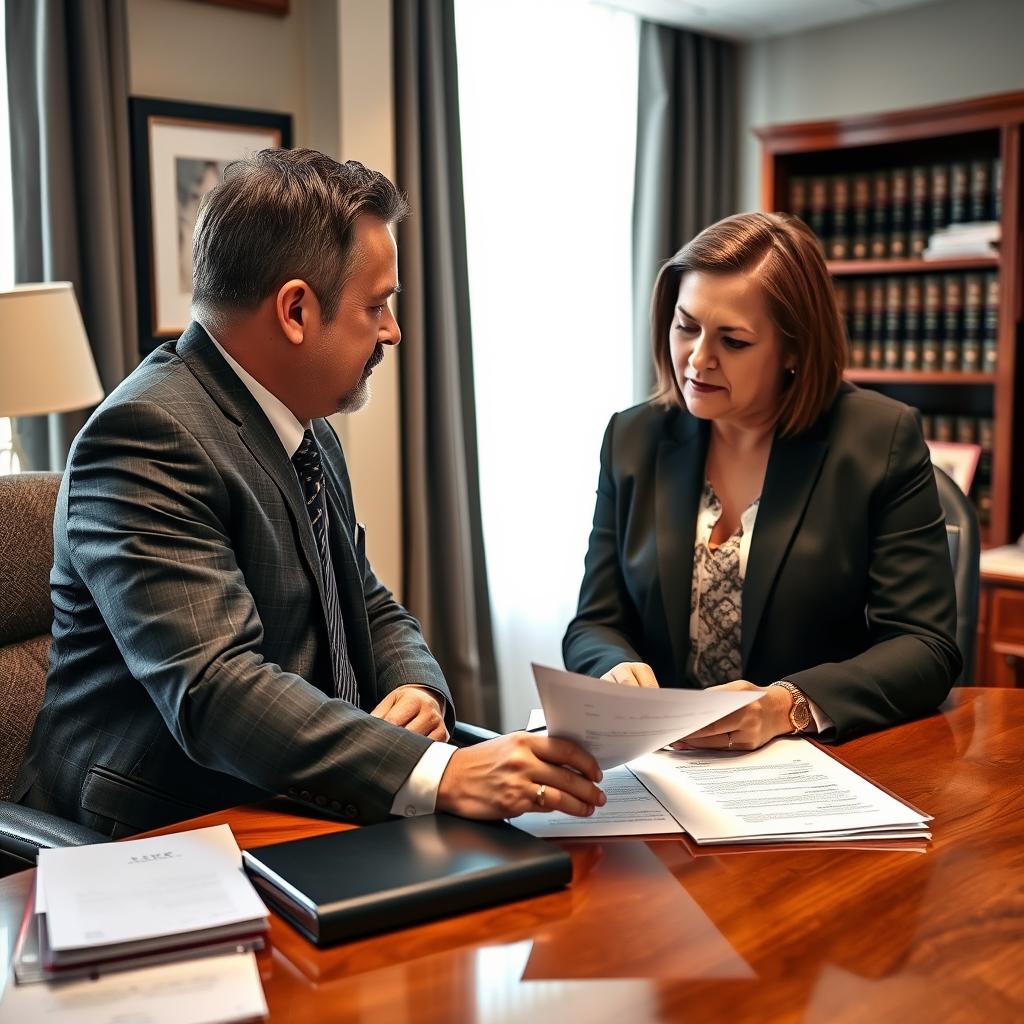
Theft Lawyer Southwest Waterfront, DC
When a theft allegation touches your life in the Southwest Waterfront area, the way the District of Columbia handles criminal charges can feel unfamiliar. Unlike most states where a district attorney’s office brings local cases, theft offenses in DC—including those arising near the Wharf, Arena Stage, and the waterfront parks—are prosecuted by the United States Attorney’s Office for the District of Columbia under the D.C. Code. That federal-local hybrid makes it essential to work with counsel who understands both the D.C. Superior Court at 500 Indiana Avenue NW and the unique dynamics of a jurisdiction where a federal agency, the Pretrial Services Agency, handles release decisions instead of traditional cash bail. Mr. Sris and his experienced Of Counsel team represent individuals facing theft charges throughout the Southwest Waterfront neighborhood, bringing extensive multi-state experience to each matter. To request a consultation, reach Law Offices Of SRIS, P.C. at (888) 437-7747. Law Offices Of SRIS, P.C. – Advocacy Without Borders.
What Theft Means in Southwest Waterfront, DC
Southwest Waterfront sits within the broader jurisdiction of the D.C. Superior Court, located just a short ride from the neighborhood via the Waterfront or L’Enfant Plaza Metro stations. The court’s Criminal Division hears all theft prosecutions, which are brought by the USAO-DC—not a local prosecutor. This arrangement means that theft charges are handled in a federal-adjacent system, though the substantive law is the D.C. Code.
Under D.C. Code Title 22, theft is classified primarily by the value of the property involved. First-degree theft involves property valued over $1,000 and is punishable by up to ten years of incarceration. Second-degree theft covers property valued at $1,000 or less and carries a maximum sentence of up to 180 days. Additional statutes address related conduct such as receiving stolen property, shoplifting, and identity theft. Because the USAO-DC prosecutes these matters, the charging and plea practices may differ from those in neighboring Virginia or Maryland. Mr. Sris and his Of Counsel are familiar with how D.C. Cases are built and how to respond at each stage.
How Law Offices Of SRIS, P.C. handles Theft Cases
When someone contacts our firm after being charged with theft in Southwest Waterfront, the first priority is to understand the specific allegations and the evidence the government intends to rely on. Our approach includes a thorough review of the arrest report, any surveillance or witness statements, and the charging documents. We then evaluate whether the USAO-DC can prove every element of the offense, including the value of the property and the defendant’s alleged intent.
Because DC uses the Pretrial Services Agency for release decisions rather than cash bail, representation begins at the earliest possible stage to address release conditions and to preserve the defendant’s ability to participate in their defense. Mr. Sris and his Of Counsel then engage with the prosecutor to explore resolution possibilities that might include dismissal, reduction to a lesser charge, or referral to diversion where appropriate. Throughout the process, the individual’s goals—whether that is defending the charge at trial or minimizing the impact on employment and housing—guide the strategy. The timeline of a D.C. Superior Court case varies with its complexity and the court’s calendar, but we keep clients informed at each step.
About Mr. Sris and His Of Counsel Team
Mr. Sris, Owner and Founder of Law Offices Of SRIS, P.C., has practiced law since 1997. He is a former prosecutor who understands how the government builds theft cases. Together with his Of Counsel, he brings extensive combined legal experience to matters in the D.C. Superior Court. The firm’s multi-state practice—covering Virginia, Maryland, the District of Columbia, New Jersey, and New York—provides perspective on how theft allegations are handled across different jurisdictions, which can be especially valuable for clients who live or work in the broader metro area.
Mr. Sris and his Of Counsel are dedicated to protecting clients’ rights at every stage. The team is supported by professionals who speak multiple languages, helping to ensure clear communication. Results may vary.
Frequently Asked Questions
Who prosecutes theft cases in the Southwest Waterfront area?
The United States Attorney’s Office for the District of Columbia (USAO-DC) prosecutes theft cases, not a local district attorney. DC is a federal territory, and the USAO-DC handles all local criminal matters under the D.C. Code in the D.C. Superior Court. The Metropolitan Police Department investigates thefts, and the Pretrial Services Agency assesses release conditions. This unique structure influences how cases are charged and resolved, making familiarity with USAO-DC practices an important part of defense preparation.
What are the penalties for theft in DC?
Penalties depend on the value of the property taken: first-degree theft (over $1,000) carries up to ten years of incarceration; second-degree theft ($1,000 or less) carries up to 180 days. The court also may impose fines, restitution, and probation. A theft conviction can create a permanent criminal record that affects employment, housing, and professional licensing. For guidance on your specific situation, reach Law Offices Of SRIS, P.C. at (888) 437-7747.
Do I need a lawyer for a theft charge in DC?
You are not legally required to hire a lawyer, but an experienced attorney can help you understand the charges, protect your rights, and work toward a resolution that minimizes the impact on your life. The D.C. Superior Court process involves procedural rules, evidence evaluation, and negotiations with the USAO-DC that can be difficult to navigate alone. A lawyer can also address release conditions through the Pretrial Services Agency and explore eligibility for diversion or record sealing. To discuss the details of your matter, contact Law Offices Of SRIS, P.C. at (888) 437-7747.
Can a theft charge be dropped or reduced in DC?
Yes, under appropriate circumstances a theft charge may be dismissed or reduced through negotiations with the prosecutor or by demonstrating weaknesses in the evidence. Early intervention allows counsel to present mitigating facts, challenge the valuation of the property, or raise procedural issues. Each case is fact-specific, and outcomes vary based on the evidence and the individual’s background. For a consultation, reach Mr. Sris and his Of Counsel at (888) 437-7747.
What should I do if I am arrested for theft in Southwest Waterfront?
Remain silent beyond providing basic identification, ask to speak with an attorney, and contact counsel as soon as possible. Do not discuss the facts with law enforcement or any other person until you have legal advice. Early representation can influence release conditions and the direction of the case. The Southwest Waterfront area is served by the Arlington location of Law Offices Of SRIS, P.C., and we regularly appear at D.C. Superior Court nearby.
Does DC use cash bail for theft cases?
No, DC does not use traditional cash bail. The Pretrial Services Agency, a federal agency, assesses each individual’s risk and recommends release conditions to the court. Most people are released without posting money, though conditions such as stay-away orders, drug testing, or reporting requirements may be imposed. An attorney can advocate for the least restrictive release conditions at the initial presentation.
Learn more about criminal defense in the District at our Washington, D.C. Criminal defense hub. If you are in nearby neighborhoods, you may also find helpful information on our pages for Georgetown and Capitol Hill.
Outbound authority: DC Code Title 22 (Criminal Offenses) · DC Superior Court · USAO-DC
Reviewed by Mr. Sris, Owner and Founder
Admitted in Virginia, Maryland, District of Columbia, New Jersey, and New York
Practicing since 1997
Attorney advertising. Prior results do not guarantee a similar outcome.
Results may vary.
Case results depend on a variety of factors unique to each case.